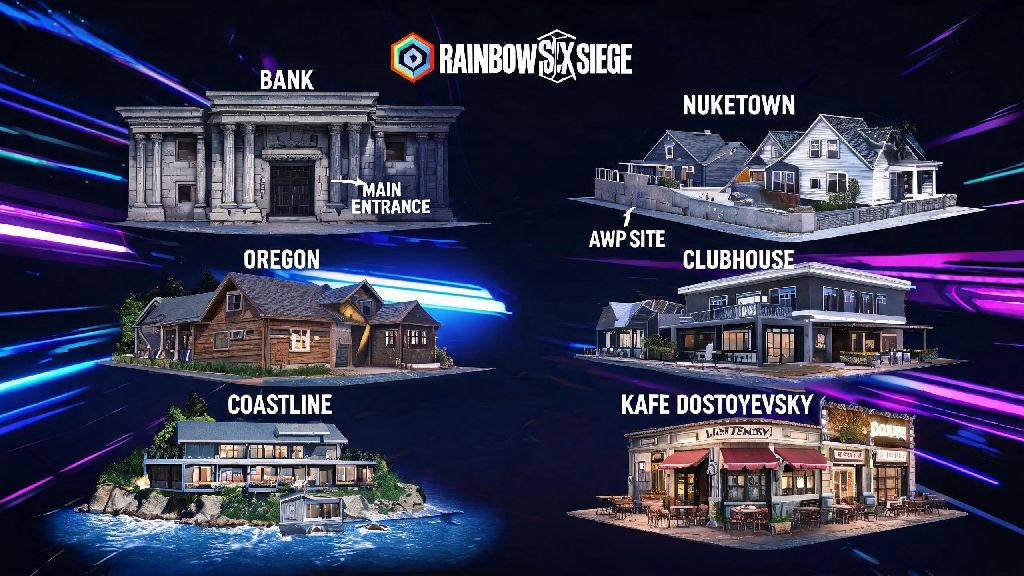
If you’ve ever queued for a Rainbow Six Siege match and groaned when you saw a map you barely know pop up, you’re not alone. One of the most common questions new and returning players ask is how many maps are on rainbow six siege, especially as Ubisoft regularly rotates maps in and out of active playlists to keep the meta fresh. Knowing the full roster of maps, which ones are available in each game mode, and how they’ve changed over updates can cut down on your learning curve and help you climb ranks faster.
How Many Maps Are on Rainbow Six Siege for Core Playlists?
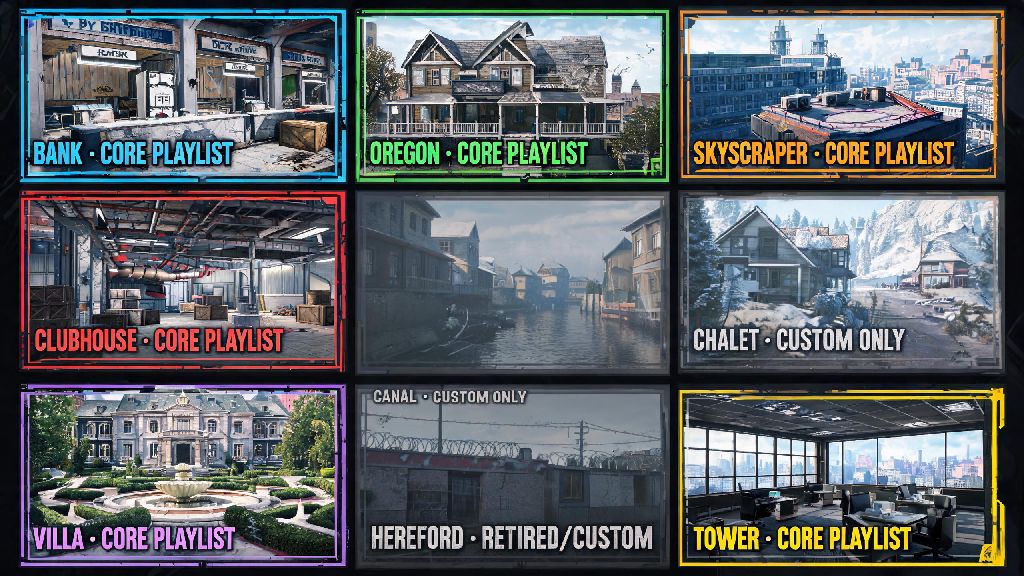
As of the latest operation update, there are 22 total official Rainbow Six Siege maps ever released, but only 18 are available in active core playlists, with the remaining 4 retired to custom game lobbies only. The count shifts slightly every few months when Ubisoft rotates maps for reworks or adds new content, so it’s normal to see 1 or 2 maps added or removed from ranked each season. Ranked play only includes maps balanced for competitive play, so more chaotic, unbalanced maps like the original Favela are kept out of ranked queues even if they’re available in casual play.
Breaking the count down by playlist: Ranked and Unranked share a 12-map roster, carefully curated to have a roughly 50/50 win split between attackers and defenders. Quick Match has a 15-map roster that includes slightly less balanced maps that are still fun for casual play, plus recently reworked maps that are being tested for future ranked inclusion. Training Grounds (the game’s PvE mode) has all 18 active maps, so it’s a great place to practice layouts without facing real enemy players.
The 4 retired maps are still fully playable in custom games, so you don’t have to worry about losing access to your favorite old map forever. Ubisoft has stated they will never fully delete a released map, even if it’s removed from core playlists long-term.
Event-Exclusive and Limited-Time R6 Siege Maps You Might Have Missed
Ubisoft has released 9 limited-time maps over Rainbow Six Siege’s lifespan, most only available for 2 to 4 week windows tied to holiday, crossover, or seasonal events. These maps often have unique mechanics, like low gravity, modified destructibility, or themed objective sites that don’t appear in core playlists, making them a fun break from the standard ranked grind. Some limited-time maps have even had permanent features added to core maps after positive player feedback, like the reinforced hatch variants first tested on the 2022 Halloween event map.
If you’re waiting for a limited-time map rotation to drop, you don’t have to grind boring casual matches to pass the time. Lots of players use short breaks between event announcements to play low-stakes casual games that don’t require hours of focus, and IND Rummy is a popular pick for quick, engaging rounds you can play while you queue for Siege or wait for your squad to log on. You won’t build any Siege-specific skills playing it, but it’s a great way to kill 10 minutes without burning out on competitive matches.
Most limited-time maps are re-released once every 1 to 2 years, so if you missed a holiday map a few years back, you’ll likely get another chance to play it eventually. Ubisoft also sometimes runs community vote events to pick which limited-time map to bring back next, so make sure to cast your vote if you have a favorite.
Key Tips to Learn R6 Siege Maps Fast
Map knowledge is responsible for roughly 70% of match outcomes in ranked play, according to data collected from pro league matches, so it’s worth investing time into learning layouts even if you’d rather practice your aim or operator abilities. You don’t have to memorize every single nook and cranny of every map to be competitive, either—small, consistent practice goes a long way. Try these tips to speed up your learning process:
It usually takes most players 15 to 20 matches on a single map to feel comfortable with its layout, so don’t get discouraged if you keep getting lost the first few times you play. Never skip the pre-match map preview, even if you know the map well, because it tells you exactly which objective sites you’ll be playing on before the round starts, so you can plan your operator pick and route ahead of time.
If you’re playing with a more experienced friend, ask them to walk you through common roam spots and flank routes during custom games. Most long-time players are happy to share their map knowledge, especially if it means you’ll stop getting caught out by enemy roamers during ranked matches.
Why Ubisoft Rotates Rainbow Six Siege Maps Regularly
A lot of new players get frustrated when a map they know well is removed from the ranked playlist, but these rotations serve three very important purposes for the game’s long-term health. First, they prevent meta stagnation: if the same 12 maps stayed in ranked forever, players would eventually figure out unbeatable attack and defense strategies for every site, making matches feel repetitive and predictable. Rotating maps forces players to adapt their playstyles regularly.
Second, rotations give Ubisoft time to rework maps that have balance issues. If a map has a 60% defender win rate for multiple consecutive seasons, they’ll pull it from core playlists to adjust destructible walls, add new entry points, or move objective sites to make it fairer for both teams. Map rotations happen every 3 months alongside major operation updates, so you should always check the patch notes to see which maps are entering or leaving the ranked playlist each season.
Third, rotations keep the game accessible for new players. If the core playlist had 22 maps at all times, new players would be overwhelmed trying to learn all of them at once, and would be at a massive disadvantage against long-time players who know every map by heart. Keeping the ranked roster limited to 12 maps makes it easier for new players to catch up without spending hundreds of hours practicing.
At the end of the day, the answer to how many maps are on rainbow six siege depends on which playlists you prefer, but you can expect the total active roster to hover between 17 and 19 maps for the foreseeable future, with new maps added once per year and reworks dropping every other operation. Taking the time to learn even the basics of each active map will make your matches far less frustrating, and you’ll start winning more rounds without even having to adjust your operator loadout. Next time you queue up, take a quick second to note the map, and you’ll be one step ahead of the enemy team before the round even starts.