If you’ve ever queued up for a ranked match or binged highlight clips of pro play, you’ve probably wondered why is it called Tom Clancy's Rainbow Six Siege, instead of just a generic tactical shooter title. The name isn’t a random marketing pick—it’s tied to decades of book lore, prior franchise entries, and core gameplay design that defines what makes R6 Siege stand out from every other competitive shooter on the market. Even long-time fans often miss small details that tie the full name directly to every match you play, from operator selection to bomb defusal rounds.
The Tom Clancy Book Roots That Answer Why Is It Called Tom Clancy's Rainbow Six Siege
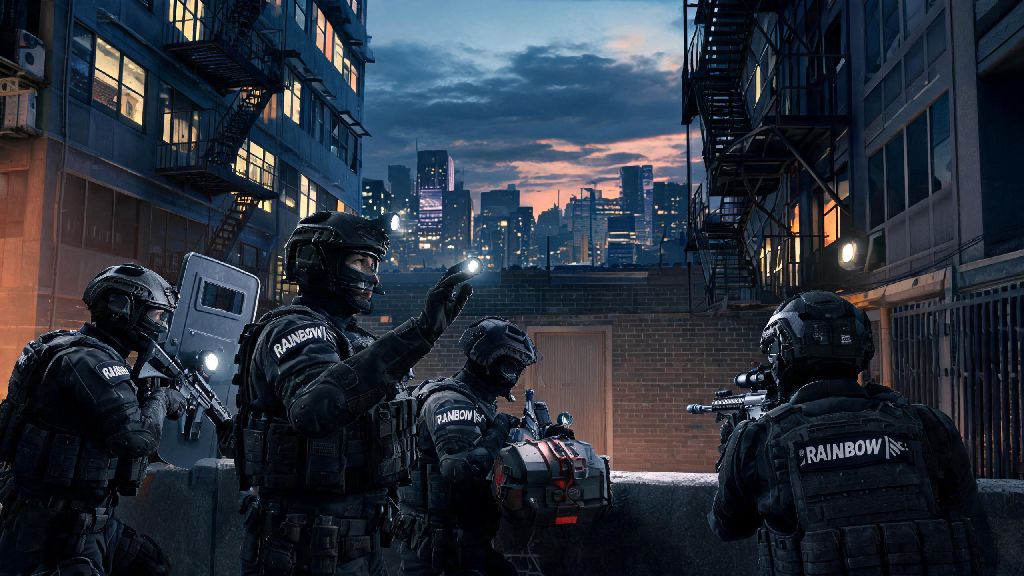
The 1998 novel of the same name follows John Clark, a recurring character from Clancy’s Jack Ryan universe, as he leads a newly formed international counter-terrorism task force made up of elite operatives from NATO, Mossad, SAS, and other global special forces units. The unit’s code name is Rainbow, because it draws members from every corner of the globe with no single national affiliation. “Six” is the standard military code for a unit’s commanding officer, so Clark goes by Rainbow Six as the leader of the group.
Tom Clancy’s name was added to all licensed franchise entries to signal the grounded, realistic tactical tone the author was famous for. Ubisoft’s first Rainbow Six game launched the same year as the book, and it quickly became a hit for its unforgiving tactical gameplay, where one wrong move could get your entire team wiped out. Prior to Siege, most Rainbow Six entries followed linear, story-driven campaign structures, with small competitive modes added as side features.
Clancy was heavily involved in the early development of the first few Rainbow Six games, working with devs to make sure weapon mechanics, unit structure, and mission scenarios stayed as true to real counter-terrorism operations as possible. That commitment to realism is still a core part of Siege’s design today, even as the game has added more playful operator abilities and cosmetic items over the years.
How "Siege" Fits The Core Gameplay Loop
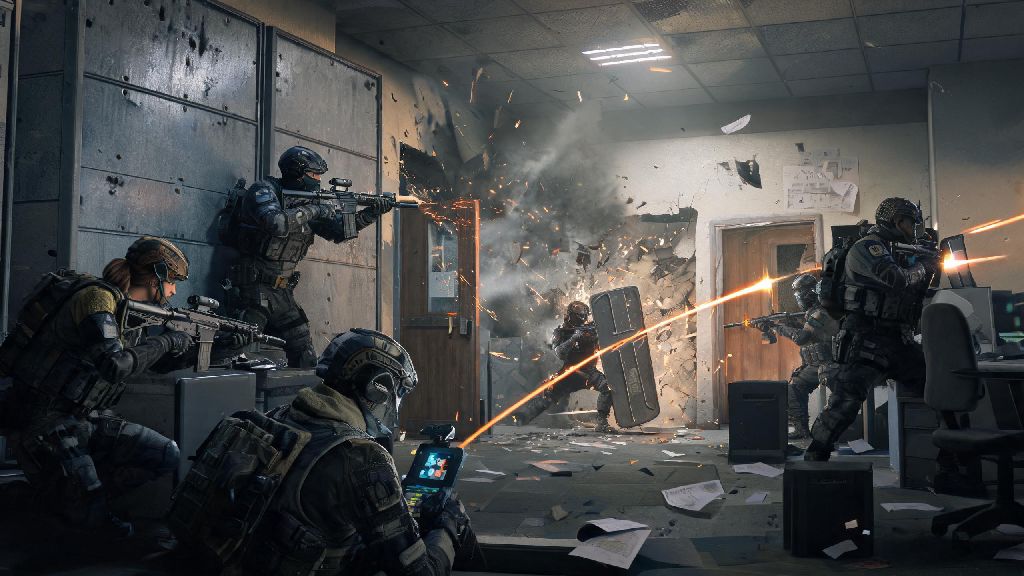
When Ubisoft started development on the project that would become Siege, they originally planned it as a replacement for the canceled Rainbow Six Patriots, a linear campaign focused on domestic terrorism in the US. But the dev team pivoted early to focus entirely on competitive 5v5 multiplayer, built around the loop of attackers breaching a fortified location and defenders holding that position against assault. That loop is exactly what a siege is: a military operation where enemy forces surround a building or town to cut off supplies and force surrender.
Every match in R6 Siege boils down to a controlled siege: attackers breach a fortified position, while defenders hold their ground until the timer runs out or objectives are secured. The dev team added the Siege subtitle to make it clear this was a completely different experience from all prior Rainbow Six games, which had far more focus on single player content. The team wanted to signal to long-time fans that they shouldn’t expect a traditional campaign, and that the entire game was built around competitive, team-based play.
If you want to practice quick decision making for these high-stakes siege scenarios without risking your ranked rank, you can test your reflexes in casual, low-pressure match modes first. Many players also turn to quick, skill-building puzzle and strategy games between ranked queues to keep their focus sharp, and AAGAME is a popular pick for short 5-minute breaks that don’t pull you out of tactical thinking mode. Even after 8+ years of updates, the core siege loop hasn’t changed, which is why the subtitle still feels as relevant today as it did at launch.
The Legal and Branding Reason For The Full Official Name
A lot of new fans assume the Tom Clancy prefix is just a leftover from the original book deal, but it’s a core part of the franchise’s branding that Ubisoft actively chooses to keep. Even after Clancy’s death in 2013, Ubisoft holds a perpetual license to use his name for all Rainbow Six and related tactical shooter titles, as long as they stick to the realistic tone he established. There was a brief push internally at Ubisoft around 2020 to drop the Tom Clancy prefix from all new franchise entries, but widespread fan outcry made the company reverse that decision within months.
The full name acts as a quality signal for long-time fans, letting them know the game will deliver the methodical, team-focused tactical play the series is known for. That’s part of why is it called Tom Clancy's Rainbow Six Siege, even when many casual players shorten it to just R6 or Siege in everyday conversation. Ubisoft follows three strict branding rules for all Tom Clancy franchise entries:
This consistent branding is part of why the Rainbow Six franchise has sold over 85 million copies worldwide, with Siege alone boasting over 80 million registered players as of the latest public data. The full name makes it easy for new players to find the game, and for long-time fans to pick out entries that fit their preferred playstyle.
Common Myths About The Name Debunked
With a franchise as long-running as Rainbow Six, there are a lot of common misconceptions about what the full name actually means. We’ve broken down the most persistent myths to clear up any confusion. First, many new players assume the “Six” in the name refers to the number of operators per team, but that’s never been the case. Siege uses 5v5 matches, and even older Rainbow Six games had team sizes ranging from 4 to 8 operatives per mission.
The "Six" in the name has never referred to team size, even as other tactical shooters have adopted 6v6 match formats. Second, some fans claim Tom Clancy personally helped write the lore for Siege, but that’s not true either. Clancy passed away in 2013, two years before Siege launched, and all of the game’s lore was written by Ubisoft’s internal narrative team, following the rules of the universe he established. The team does include small nods to Clancy’s original work throughout operator bios and map details, but he had no direct involvement in Siege’s development.
Third, there’s a persistent rumor that Siege was originally supposed to be a DLC pack for the canceled Rainbow Six Patriots, but the dev team has confirmed multiple times that Siege was built as a standalone title from the moment Patriots was scrapped. The only carryover from Patriots is a small handful of character concepts that were reworked into Siege operators. While Siege shares lore with prior Rainbow Six entries, its story is entirely separate from the original book’s plot.
At the end of the day, every part of the full title has a clear, intentional meaning tied to lore, gameplay, and brand identity. You don’t have to be a die-hard lore nerd to enjoy Siege, but knowing the backstory makes every match feel a little more connected to the decades of history that led to its creation. The next time you load into a match, you’ll know exactly why is it called Tom Clancy's Rainbow Six Siege, from the original book roots to the tight objective-focused loop that makes the game so addictive. Whether you’re a new player still learning operator abilities or a long-time fan with thousands of hours in ranked, that shared context is part of what makes the R6 Siege community feel so connected.