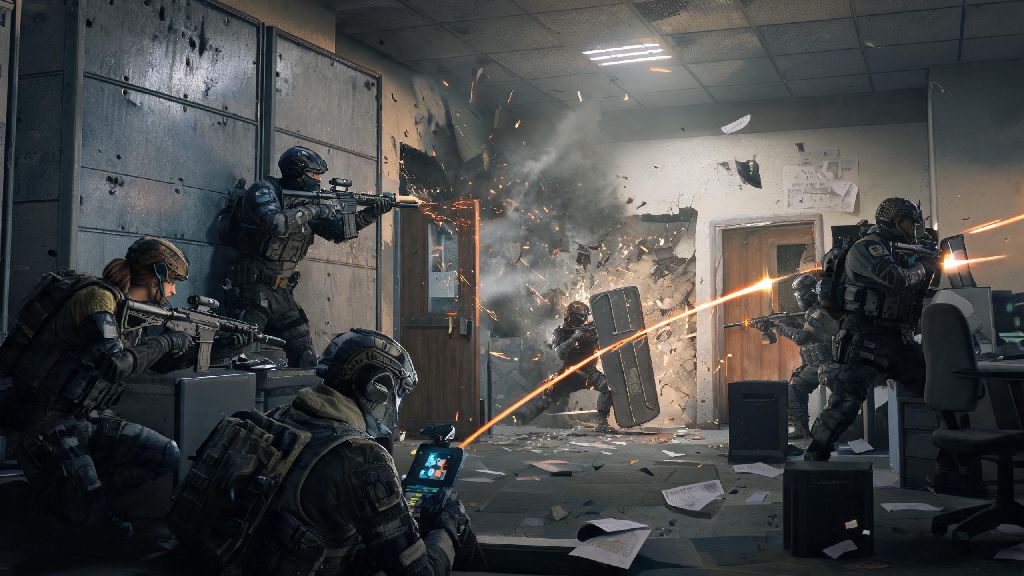
If you’ve ever sat through a tight Rainbow Six Siege match wondering when the final buzzer will hit, you’re not alone. New and returning players alike often ask how many rounds in rainbow six siege count towards a win, especially as rules shift between playlists and competitive events. Unlike many other tactical shooters with fixed match lengths, Siege’s round structure is built to reward consistent team play, quick adaptation, and smart resource management across every phase of a game. We’ll break down every variation you’re likely to encounter, from casual quick plays to pro league tournaments, plus little-known rule quirks that can change the outcome of a close match.
Standard Round Counts for Casual and Ranked Playlists
Most players spend the majority of their time in Siege’s public casual or ranked playlists, and each has its own fixed round structure to match its intended pace. Casual is designed for shorter, lower-stakes games, while ranked is built for more competitive, extended matches that test a team’s consistency across both attack and defense roles. Casual playlists use a best-of-5 round structure, so the first team to hit 3 round wins takes the match. There’s no overtime for casual play, even if both teams are tied 2-2 after 4 rounds— the 5th round acts as a de facto tiebreaker, with sides assigned randomly for that final round. That’s part of why casual matches feel faster, and are a great pick if you only have 20 to 30 minutes to play. Ranked and unranked playlists use a best-of-7 round structure, so you need 4 round wins to take the match. If both teams are tied 3-3 after 7 rounds, you’ll go into overtime, where teams play additional rounds until one team pulls ahead by 2 full rounds. Overtime also includes a side swap after every 2 rounds, to keep things fair for both attack and defense. Many players who want to grind quick matches to practice their aim or operator utility between longer ranked sets often look for short, low-stakes games to fill downtime. If you’re waiting for a party member to log on or need a break from tense ranked rounds, you can find quick, casual mini-games on YonoAppStore that fit perfectly into 5 to 10 minute gaps without throwing off your tactical focus.
How Many Rounds in Rainbow Six Siege Tournament Play?
Competitive tournament play uses a different round structure than public playlists, to account for the higher skill level and stakes of organized matches. If you’re new to competitive play, knowing how many rounds in rainbow six siege are required to take a map can help you adjust your strategy for long, drawn-out matches. Pro League and official Ubisoft tournament matches use a best-of-9 round structure per map, meaning the first team to 5 round wins takes the map. Overtime rules apply here too, with a 2-round lead required to close out the map if teams are tied 4-4. Most major events use multi-map sets, so you’ll often see teams play 2 to 3 full maps per match, each with their own full round count. Smaller community tournaments often adjust this structure to fit tighter event schedules, with many using the standard ranked best-of-7 round structure to make it easier for amateur players to jump in without learning entirely new rules. Overtime rounds count towards your overall match stats, so even if you end up in a 12-round overtime grind, your kills, assists, and utility usage will still be tracked for your profile and event leaderboards.
Little-Known Round Rules That Can Change Your Match Outcome
Even long-time Siege players often miss small round rules that can swing the result of a close match. Most of these rules are designed to prevent unfair advantages from disconnects, technical glitches, or team drops, and understanding them can help you avoid unnecessary frustration when things go wrong mid-match. Here are 3 underrated round rules most players don’t know:
Tips to Win More Rounds Consistently
Now that you understand the round structure for every playlist, you can adjust your playstyle to win more rounds without taking unnecessary risks. One of the biggest mistakes new players make is burning all their best utility in the first 2 rounds, leaving them with no tools to close out tight matches later on. For ranked play, try to save at least one impact grenade or hard breaching charge per player for the final 2 rounds, when defenses are usually more stacked and sites are harder to take. On defense, avoid wasting all your traps in the first round — keep a few barbed wires or nitro cells in reserve for later rounds when the enemy team thinks they know your playstyle. Communication is even more important as you get closer to the match win. Call out exactly how many rounds you have left, which side you’ll be playing next, and any enemy habits you’ve noticed across earlier rounds. Even a simple heads up that the enemy team keeps rushing site A on attack can help your team set up a better defense and lock in the win. I’ve personally come back from 0-3 deficits in ranked play by switching up our team’s attack strategy and focusing on fast site takes instead of picking fights across the map. Don’t write off a match just because you lost the first few rounds — there’s always room to turn things around if you adjust your approach as a team.
Whether you’re playing a quick casual match with friends or grinding ranked to hit Platinum, understanding how many rounds in rainbow six siege you need to win takes a lot of the guesswork out of match planning. You’ll be able to plan your playstyle around how many rounds you have left, adjust your utility usage for late-game scenarios, and even know when you can afford to take a risky play to turn a losing match around. Take the time to learn the round rules for every playlist you join, and you’ll already have a small edge over players who are still guessing when the match will end.