Rainbow Six Siege stands out from most other first-person shooters because it rewards tactical thinking over raw speed or twitch aim, which can leave new players feeling stuck after their first few dozen matches. If you’re tired of getting picked off by campers, wasting utility, or losing rounds you know you should win, you’re probably wondering how to get good at rainbow six siege without grinding 10+ hours a day. The good news is that most improvements come from smart practice and small habit changes, not natural talent or expensive gear. You don’t need a pro-level setup to climb ranks, you just need to focus on the right areas first.
Core Principles to Follow to Get Good at Rainbow Six Siege
Before you dive into specific tips for aim or operator picks, you need to reset how you think about the game. Too many new players come from games like Call of Duty or Valorant where rushing and getting kills is the top priority, but that approach will get you killed instantly in Siege 9 times out of 10. Information is far more valuable than a perfect headshot — if you know where an enemy is hiding, you can plan an attack, set up a crossfire, or catch them off guard instead of running straight into their line of sight. I’ve won dozens of rounds without firing a single shot, just by giving my team accurate callouts of enemy positions and gadget placements.
These are the non-negotiable core rules you should follow every round, no matter what operator you’re playing:
It can feel tempting to chase that highlight reel kill, but playing for the team will win you far more matches in the long run. If you want to know how to get good at rainbow six siege faster, sticking to these three rules will cut your learning curve in half before you even work on any other skill.
Master Map Knowledge Before You Obsess Over Aim
Aim is important, but it’s useless if you don’t know where to point your gun. Most new players spend hours in aim trainers trying to get faster reaction times, but they don’t spend 10 minutes learning the common hiding spots or rotation routes on the map they’re playing. You can win 80% of your matches just by knowing where enemies are likely to hide before you even enter a room, and that knowledge will give you a massive advantage over players who rely on aim alone.
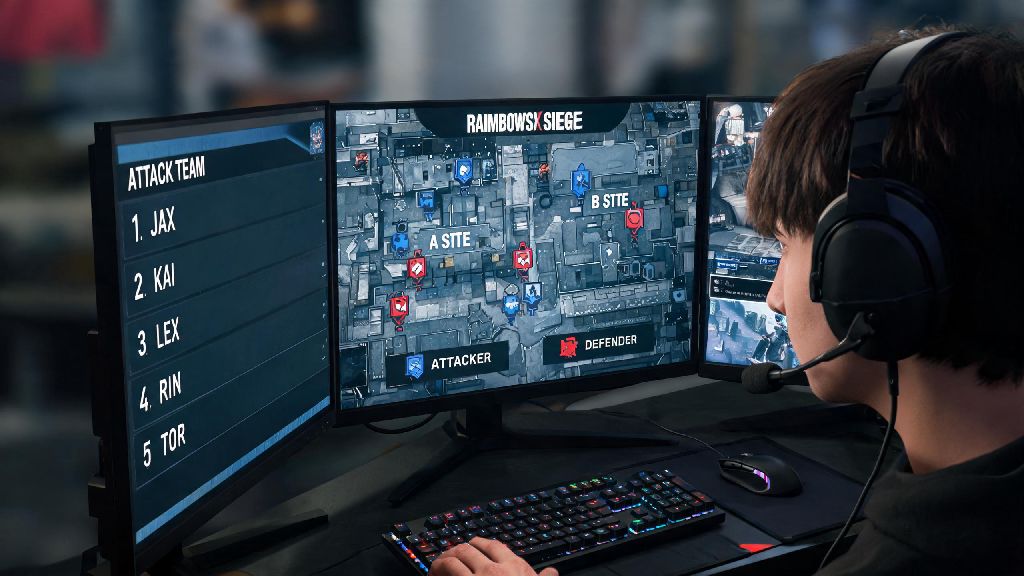
The best way to learn maps is to spend 10 minutes a day in Lone Wolf Terrorist Hunt, walking around without killing any AI. Shoot out soft walls to see what’s on the other side, note which walls are commonly reinforced, and learn the official callouts for every room and hallway. For example, on the map Bank, the “server room” has a soft wall that connects to the main lobby, and most new defenders forget to reinforce that spot, so attackers can breach it and catch the entire defending team off guard in seconds. You don’t have to memorize every inch of every map at once, start with the 3 maps that show up most often in your casual or ranked matches, then branch out from there.
Map knowledge also helps you avoid stupid mistakes like running into a room that has a pre-placed Kapkan trap or a hidden Frost mat. If you know those traps are commonly placed near doorways on a specific site, you can check for them before you run in, saving yourself a frustrating early death.
Pick Operators That Fit Your Playstyle, Not Just The Meta
The meta changes every single patch, and you’ll see a lot of content creators telling you which operators are “broken” or “must-pick” every season. But if you’re new to the game, picking a top-tier meta operator that doesn’t fit your playstyle will just make you play worse. You’ll perform far better with a lower-tier operator you’re comfortable with than a top meta operator you don’t know how to use, no matter what the tier lists say.
For example, if you love aggressive play and rushing sites, picking an entry fragger like Ash or Zofia for attackers, or Jager or Bandit for defenders, will let you play to your strengths. If you prefer supporting your team and holding back lines, operators like Doc, Thatcher, Kapkan, or Valkyrie are perfect. You should learn at least 2 attackers and 2 defenders per map, so you can fill whatever role your team needs. Don’t instalock an operator before seeing what your team picks, if you already have 3 entry fraggers, picking a support operator to bring utility will give your team a much better chance of winning.
That doesn’t mean you should never try new operators, of course. Test new picks in casual or unrated matches first, so you don’t throw your ranked games while you’re learning how their gadgets work. I once tried to pick Ace for a ranked placement match because I saw a pro use him, and I wasted 3 breaching charges on a reinforced wall because I didn’t know how his gadget worked. We lost that round, and I learned my lesson about testing new operators in ranked first.
Practice Smart, Not Hard to Build Consistent Skills
Grinding 10 hours of casual matches a day won’t make you better if you’re making the same mistakes every single round. Most players never improve because they don’t take the time to review their gameplay and fix their bad habits. Spend 10 minutes after each play session reviewing your worst 2 rounds to see what you did wrong, and write down one small thing you can improve on for your next session. Did you rush a room without droning first? Did you forget to reinforce a critical wall that the enemy breached? Did you fail to call out an enemy position that led to your teammate dying? These small mistakes add up, and fixing them one by one will lead to huge improvements over time.
When it comes to aim practice, you don’t need to spend 2 hours a day in third-party aim trainers. 15 minutes a day of headshot-only Lone Wolf Terrorist Hunt is more than enough to build muscle memory for the game’s specific recoil and movement. You can also practice peeking angles in custom games if you’re struggling with a specific spot on a map. Don’t be afraid to ask more experienced players for feedback on your gameplay — most players are happy to give you tips if you ask politely, and they’ll spot mistakes you never would have noticed on your own.
It’s also important to take breaks if you’re getting frustrated. If you’ve lost 3 rounds in a row and you’re tilting, step away from the game for 10 minutes, get a drink of water, and clear your head. Playing while tilted will make you make worse decisions, and you’ll end up building bad habits that are hard to break later.
Learning how to get good at rainbow six siege doesn’t happen overnight, and you will have bad rounds where you feel like you can’t do anything right. Even pro players lose 40% of their matches, so don’t beat yourself up over small mistakes. Focus on making one small improvement every time you play, stick to the core rules we covered, and you’ll start climbing ranks and winning more matches before you know it. At the end of the day, the most important thing is to have fun — if you’re not enjoying the game, all the practice in the world won’t help you get better.