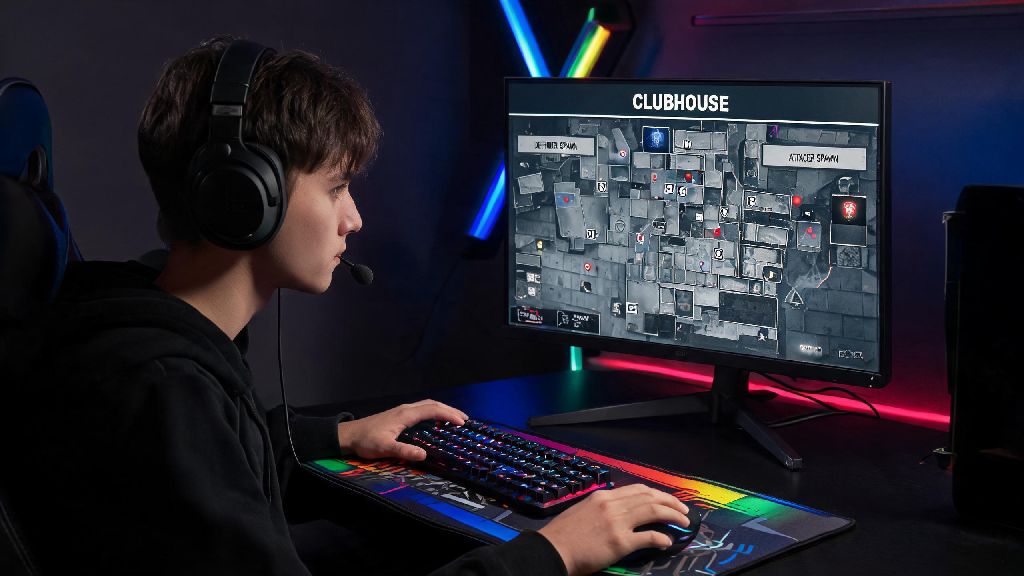
If you've logged into your Ubisoft account in the last few months and felt like the game you've spent hundreds of hours on feels slightly unrecognizable, you're not alone. A lot of players have been asking what's happening to Rainbow Six Siege lately, and for good reason: the dev team has rolled out a string of sweeping changes that touch everything from operator abilities to how you queue for ranked play. I've been a Siege player since Operation Health, so I've seen my fair share of big shifts, and these recent updates are some of the most impactful we've gotten in years. This breakdown covers all the biggest changes, how they affect casual and competitive players, and what you can expect in the coming months.
What's Happening to Rainbow Six Siege: Core Balance Overhauls You Might Have Missed
A lot of the balance changes are direct responses to community feedback, which is a big shift from how the dev team handled updates a few years ago, when changes felt like they came out of nowhere. If you've been asking what's happening to Rainbow Six Siege to cause so many meta shifts, this focus on community input is the biggest reason. Jäger's ADS count was reduced from 3 to 2 in the mid-season patch last quarter, which has completely shifted how teams set up site defenses, as he's no longer a universal must-pick for every defensive lineup. Ace's SELMA Aqua Breachers can now cut through reinforced hatches, making him one of the most versatile hard breachers in the current meta, on par with Thermite and Hibana for most site takes.
Defender ability changes have also shaken up playstyles. Frost's Welcome Mats now deal 20 damage immediately before downing a player, so you can't just tank them with overheal or a Rook armor plate and walk away. Most assault rifles have had their vertical recoil reduced by 15% to make the game more accessible to new players, but high-skill weapons like the F2 have kept their original recoil to reward veteran players who put in the time to master them. You'll also notice that impact grenades can no longer destroy reinforced hatches, a change that was made to stop cheap, low-skill site takes from attackers in ranked play.
Anti-Cheat and Fair Play Updates That Are Reducing Toxicity
One of the most common complaints from players over the last few years has been the prevalence of cheaters and toxic behavior in casual and ranked lobbies. The dev team has addressed this head-on with a series of updates over the last two quarters that have made a noticeable difference for most players. Over 1.2 million accounts have been banned for cheating in the last 6 months, according to Ubisoft's latest transparency report, a 60% increase from the same period last year, thanks to the new kernel-level BattlEye anti-cheat that rolled out earlier this year.
The in-game report system has also been completely overhauled. You can now report players for toxic behavior, team killing, or cheating mid-match, and repeat offenders get instant 24-hour bans for verbal abuse or intentional griefing, with penalties scaling up to permanent bans for repeated violations. False report rates have dropped by 40% since the new replay review feature was added, which lets you watch full match footage from any player's perspective to confirm suspicious behavior before submitting a report. The ranked leaver penalty system has also been tightened: first-time leavers get a 30-minute queue ban, and repeat offenders can face up to 7-day bans from all ranked play.
Esports and Community Shifts Changing the Game's Direction
If you've been keeping up with what's happening to Rainbow Six Siege on social media, you've probably seen players talking nonstop about the new community-focused initiatives the dev team has launched. Ubisoft now lets players vote on major game changes, from the next operator rework to the next map overhaul, and the results directly guide their development roadmap. The most recent community vote saw Clubhouse chosen as the next map to get a full rework, with updates expected to drop in the next operation, including adjusted site layouts and better visibility across common rotation paths.
The esports scene has also gotten a major overhaul, with merged regional leagues and a new open qualifier path that lets amateur teams compete for a spot in the professional circuit without having to go through exclusive third-party tournaments. The dev team also added a permanent Team Deathmatch mode earlier this year, which has brought in over 3 million new players according to latest player count data. Some of the most highly requested community features that are set to roll out in the next operation include:
- Full cross-progression between all platforms, including PS5, Xbox Series X/S, and PC, so you can carry over your skins, rank, and unlocks no matter what device you play on
- A new custom map editor mode for private games, so you can adjust wall placements, site locations, and gadget limits to create custom game modes with friends
- Mix-and-match operator customization, so you can combine uniform pieces, headgear, and weapon skins from different sets instead of being locked to pre-made bundles
The community vote programs are a big part of why so many players are excited about what's happening to Rainbow Six Siege right now, because it feels like the dev team is actually listening to what we want. Team Deathmatch now makes up 28% of all casual match play, which is a huge win for players who don't want to deal with the stress of bomb site defense or ranked queue timers every time they log on to play with friends.
What These Changes Mean for Casual and Competitive Players Alike
If you're a casual player who only logs on a few times a week to play with friends, most of these changes are going to make your experience a lot better. The lower recoil makes it easier to get kills even if you don't have time to practice every day, the anti-cheat updates mean you'll run into far fewer cheaters or smurfs in low-rank lobbies, and the new casual game modes give you more options to play without pressure. You don't have to learn all the new meta picks to have fun, but it's worth testing out the reworked operators if you're looking for a new main.
For competitive players, these changes mean you're going to have to adjust your usual lineups pretty significantly. Jäger is no longer a safe pick for every defensive round, and Ace is now a top choice for hard breach on almost every map, so you'll want to spend some time practicing with him if you don't already main him. The new open qualifier path also means you have more opportunities to get into competitive play even if you don't have a full team of high-rank players, so if you've ever thought about competing, now is a great time to start. You can expect small balance tweaks every 2 weeks for the next 3 months, as the dev team adjusts to player feedback on the recent meta changes. If you're a content creator who makes videos about what's happening to Rainbow Six Siege, now is a great time to make guides about the new meta, because a lot of players are looking for information on how to adjust to the changes.
At the end of the day, all the recent shifts make it clear that Siege is still evolving, even 8 years after its initial release. If you've been taking a break from the game, now is a great time to jump back in and test out all the new changes. It's normal to feel a little lost at first if you haven't played in a few months, but most of the updates are designed to make the game more fun and fair for everyone, regardless of skill level. If you've been wondering what's happening to Rainbow Six Siege, the short answer is it's getting better, with more input from the community than ever before. Take some time to test out the new operator changes, try the Team Deathmatch mode, and don't forget to vote in the next community poll to have a say in what comes next for the game.