If you’ve scrolled past Twitch streams of tactical FPS gameplay or heard friends debate the best operator picks in 2026, you’ve probably wondered what is Tom Clancy's Rainbow Six Siege. Unlike fast-paced, run-and-gun shooters, this Ubisoft title rewards patience, team coordination, and creative problem-solving more than raw aim alone. I’ve been playing Siege on and off since its early days, and I’m still surprised by how much the dev team keeps the experience fresh year after year, even for long-time fans. This guide breaks down everything you need to know to decide if it’s the right game for you, plus easy tips to avoid frustration when you first log in.
Core Gameplay Loops That Define Tom Clancy's Rainbow Six Siege
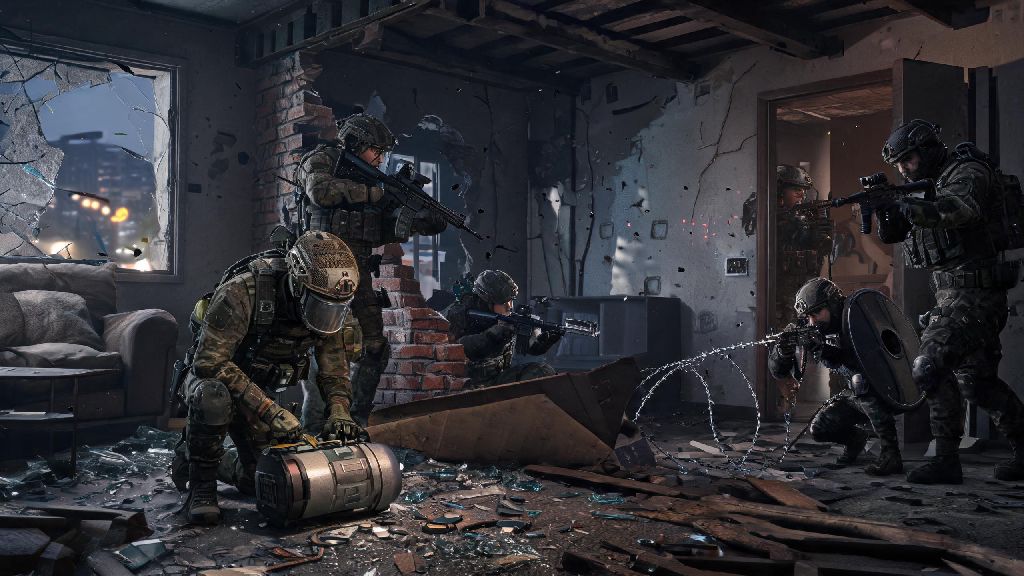
At its core, Tom Clancy's Rainbow Six Siege is a 5v5 tactical shooter where teams take turns attacking and defending objectives across highly detailed, destructible maps. The three core objective types you’ll encounter most often are plant/defuse a bomb, rescue/guard a hostage, and secure/hold a designated area. Most matches of Tom Clancy's Rainbow Six Siege last between 10 and 15 minutes, so you don’t have to commit hours at a time to get a full game in.
Destructible terrain is not a gimmick, it’s the core of every match. Every wall, floor, and ceiling can be blown apart, reinforced, or drilled through, so there’s no single “correct” way to approach any objective. For example, if you’re defending a bomb site on the reworked 2026 Consulate map, you don’t have to just guard the front door—you can reinforce the wall next to the stairwell, put a nitro cell behind it, and detonate it when attackers start drilling through to catch them off guard. You can also create unexpected sightlines through soft walls to pick off attackers before they reach the site, or cut holes in the floor to drop gadgets on enemies below.
Each player picks a unique operator before the round starts, with their own special ability, weapon loadout, and role on the team. There are currently over 60 operators to choose from as of 2026, so you can easily find one that fits your preferred playstyle, whether you like supporting your team with heals, setting traps for enemies, or leading the push into the objective.
Key 2026 Updates for New and Returning Players
If you tried Tom Clancy's Rainbow Six Siege years ago and quit because of pay-to-win concerns or a brutal onboarding process, you’ll be shocked by how much the game has improved for new players in 2026. The dev team has spent the last two years focusing heavily on making the game accessible without taking away the tactical depth that long-time fans love. New players don’t have to purchase any additional operators to access ranked play as of 2026, which is a huge shift from the old pay-to-unlock model that turned many new players away from the game in earlier years.
The biggest 2026 quality of life updates include:
Cross-progression is also now fully supported across PC, PlayStation 5, and Xbox Series X/S, so you can carry all your operator unlocks, skins, and rank progress if you switch platforms later. You can read the full breakdown of all 2026 balance changes on the official Ubisoft Siege news page if you want to dig into the exact numbers for operator ability tweaks and map reworks.
Beginner Tips to Avoid Common Mistakes in Your First 10 Hours
If you’ve never played a tactical shooter before, Tom Clancy's Rainbow Six Siege might feel overwhelming at first, but the new 2026 onboarding tools make it much easier to pick up than it was even two years ago. Almost every new player dies to at least one unexpected C4 or trap in their first few rounds of Tom Clancy's Rainbow Six Siege, so don’t take those deaths personally. A few small tips will help you avoid 90% of the most common new player frustrations.
First, don’t pick roamers on your first few defense rounds. Roamers are defenders who leave the objective to flank attackers, and they require you to know map layouts really well to avoid getting caught out alone. Stick to site defenders like Rook, Doc, or Castle for your first 10 defense rounds—they have simple abilities that help your whole team, and you don’t have to run all over the map to be useful. Rook, for example, just drops armor plates for your team to pick up, which gives everyone extra health to survive more shots.
For attackers, don’t rush the site immediately. Use your drones first to scout for traps and defender positions before you push. I can’t tell you how many new players I see run straight into a Kapkan trap or a Frost mat in their first round, wasting their team’s life advantage. You also don’t have to carry the team on your back as a new player—just sticking with your team and calling out what you see is enough to contribute to wins.
Communicate even if you’re nervous. You don’t have to talk nonstop, but just saying “two enemies on second floor west stair” or “I found a bomb site in the kitchen” helps your team way more than staying silent. You don’t need a microphone to contribute—use the in-game ping system to mark enemies, traps, and objectives for your team if you don’t want to talk on voice chat.
Is Tom Clancy's Rainbow Six Siege Worth Playing in 2026?
This is the question I get asked most often by friends who are curious about the game, and the answer depends on what you’re looking for in a shooter. If you prefer fast-paced, chaotic gameplay where you can run around and get kills without thinking much, Siege probably isn’t for you. But if you prefer team-based, tactical gameplay over mindless fast-paced shooting, Siege is absolutely worth picking up in 2026. The average match time for Tom Clancy's Rainbow Six Siege is short enough that you can fit a few rounds in after work or on a weekend morning without eating up your whole day.
There are a few downsides to consider before you buy. The learning curve is still steeper than most mainstream shooters, so you will lose a lot of your first 20 rounds even if you follow all the beginner tips. Some toxic players still slip through the new anti-toxicity filters, though the problem is far less severe than it was a few years ago. You also need a stable internet connection to play, since there’s no offline single-player mode.
The good news is that Ubisoft runs free trial weekends for Siege every month, so you can test the game out for a few days before you decide to buy it. You don’t have to spend any money to see if you like the core gameplay loop, which takes a lot of the risk out of trying it for the first time. I’ve put over 800 hours into Siege over the years, and I still find new ways to play each time I log on, whether I’m messing around with friends in casual or trying to climb ranked with my team.
At the end of the day, what is Tom Clancy's Rainbow Six Siege? It’s a tactical shooter that rewards creativity and teamwork more than any other mainstream FPS on the market in 2026. You don’t have to be a pro gamer to have fun with it—even if you only play a few casual rounds a week with friends, you’ll find plenty of silly, exciting moments that make it worth your time. If you do decide to pick it up, don’t forget to start with the in-game tutorial and stick to simple operators for your first few rounds to avoid unnecessary frustration.