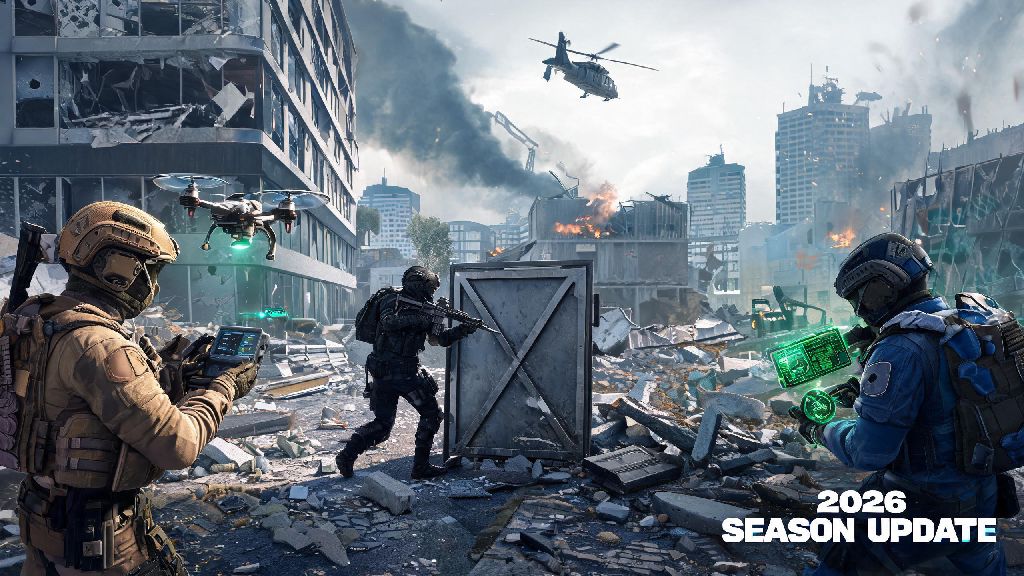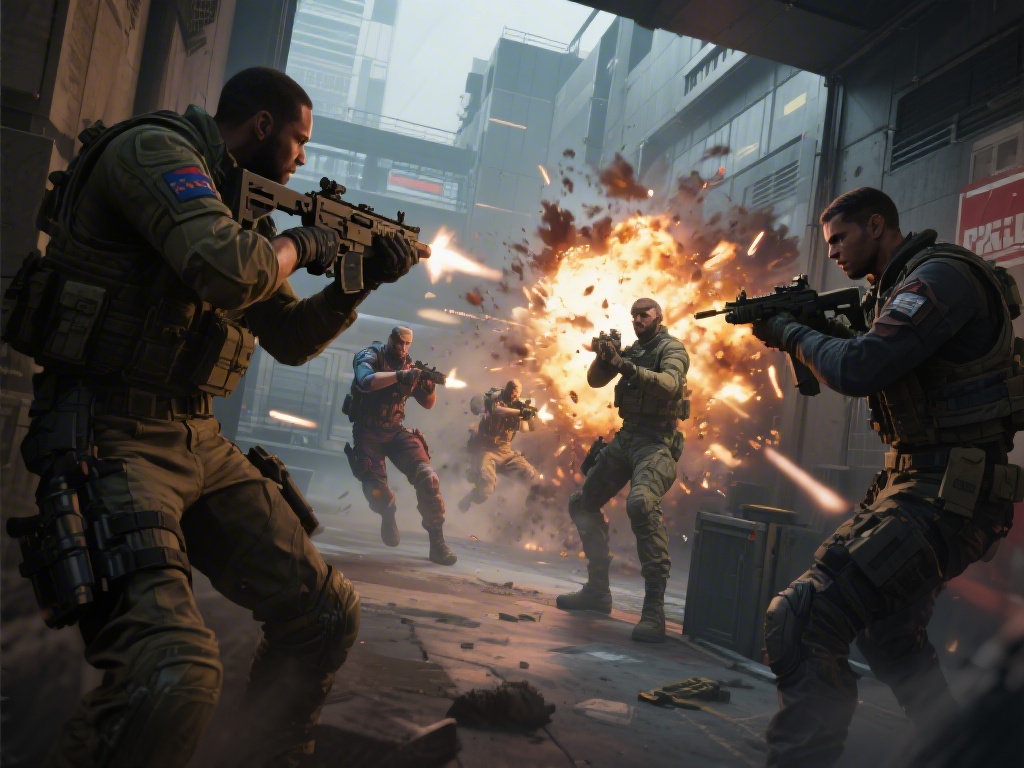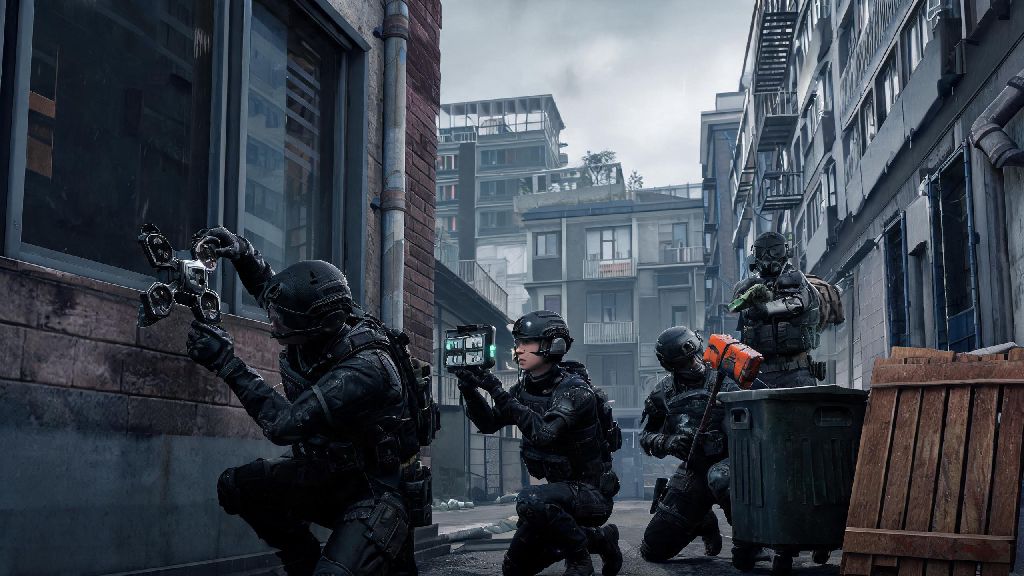
If you’ve bounced between popular competitive shooters over the last few years, you’ve almost certainly asked yourself is rainbow six siege a hero shooter at least once. It’s easy to see why people lump it in the same category as games like Overwatch 2 or Valorant at first glance: you pick a unique character with special gadgets, team up with four other players, and work toward a round-based objective. But dig a little deeper, though, and you’ll find the lines between genres get really blurry, especially if you’re new to Siege’s slower, more tactical gameplay loop. I’ve spent close to 700 hours playing Siege across casual, ranked, and even local tournament play, so I’ve got a pretty clear idea of where it lands on the genre spectrum.
What Defines a Traditional Hero Shooter?
Before we can answer the core question, we need to set a clear baseline for what makes a game a traditional hero shooter. At their core, these titles are built around ability-centric core loops, where a character’s unique skills are just as important (if not more important) than raw gun skill. You’ll usually have strict role categories too, like tank, damage, and support, that dictate exactly what each team member should contribute to a fight.
Traditional hero shooters also tend to have fast respawn times, short match segments, and a heavy focus on combining different hero abilities to pull off game-winning plays. Team composition is non-negotiable in most cases; if you don’t have a good mix of roles, you’re almost guaranteed to lose before the match even starts. Role-locked team composition requirements are a staple of the genre, and most players stick to one or two “main” heroes they specialize in for hundreds of hours.
Is Rainbow Six Siege a Hero Shooter? Core Similarities to Traditional Hero Shooters
There’s no denying that Siege borrows a lot of core design choices from the hero shooter genre, which is why so many people make that initial connection. The biggest similarity is the operator system, where each playable character has operator-specific unique gadgets that no other character can use. For example, only Thermite can cut through reinforced walls with his exothermic charges, and only Doc can revive downed teammates from across the map with his stim pistol. These unique abilities force you to pick operators based on your team’s needs for a given round, just like you would pick a hero in Overwatch to fill a gap in your team composition.
You also have clear role splits between attackers and defenders, with sub-roles like entry fragger, support, intel gatherer, and area denier that line up pretty closely to standard hero shooter roles. If you’re used to playing support in other games, you’ll probably take to operators like Doc or Rook feel really familiar right off the bat. So it makes total sense that new players would assume it falls firmly in the hero shooter category when they first load up the game.
Key Differences That Set Siege Apart From Standard Hero Shooters
For all the similarities, there are just as many key differences that make Siege feel nothing like a traditional hero shooter once you get past the character select screen. The biggest difference is that gun skill is always the most important factor in winning fights, no matter what operator you’re playing. A headshot from any gun in the game will kill you instantly, regardless of what abilities you have or how much health your operator has, which is not the case in most hero shooters. Abilities are supportive tools, not the primary way you get kills or win rounds.
There are a handful of other core design choices that push it firmly into the tactical shooter category first, with hero shooter elements as a secondary feature.
I’ve had so many rounds where I picked a support operator with no aggressive gadgets and took out a full team of meta attackers just because I knew the map better and had better recoil control. That’s something you’d almost never see in a traditional hero shooter, where a support character can’t take out a damage hero in a fair fight almost all the time.
How to Adjust Your Playstyle If You’re Coming From Other Hero Shooters
If you’re switching to Siege from hero shooters like Overwatch or Valorant, there are a few key adjustments you can make to avoid frustration early on. First, stop treating operators like “mains” you one trick for every round. You need to learn at least three attackers and three defenders right off the bat, because map layout and team needs change every single round, and you’ll get countered easily if you only know one character.
Second, prioritize learning recoil control and headshot accuracy before you worry about mastering operator gadgets. You don’t need to know how to use every single gadget perfectly when you first start, but you do need to be able to land a headshot when an opponent peeks around a corner. Spend 10 minutes in the training range every time you load up the game, and you’ll notice a huge difference in your win rate within a week.
Third, take time to learn map destruction mechanics before you jump into ranked play. Knowing which walls are destructible, which can be reinforced, and how to create your own sightlines will win you more rounds than any fancy ability combo you could pull off. So many new players run straight through the front door of a site without checking for soft walls or floor holes above them, and they get picked off instantly because they don’t know the map.
Finally, don’t be afraid to play support operators first when you start. Support operators in Siege are way more forgiving than entry fragger operators, and they let you learn the flow of rounds without the pressure of getting the first kill every round. You’ll pick up way more map knowledge and team coordination skills playing support than you will trying to run and gun like you would in a traditional hero shooter.
At the end of the day, is rainbow six siege a hero shooter? The short answer is no, it’s a tactical first-person shooter with heavy hero shooter elements, not a pure hero shooter. It borrows the unique character design and role-based team play from the hero shooter genre, but its core gameplay loop is built around tactical decision-making, map knowledge, and raw gun skill in a way no traditional hero shooter is. Whether you’re coming from other hero shooters or you’re picking up your first competitive shooter, Siege’s unique mix of mechanics makes it one of the most rewarding games you can play right now, as long as you’re willing to put in the time to learn its quirks.